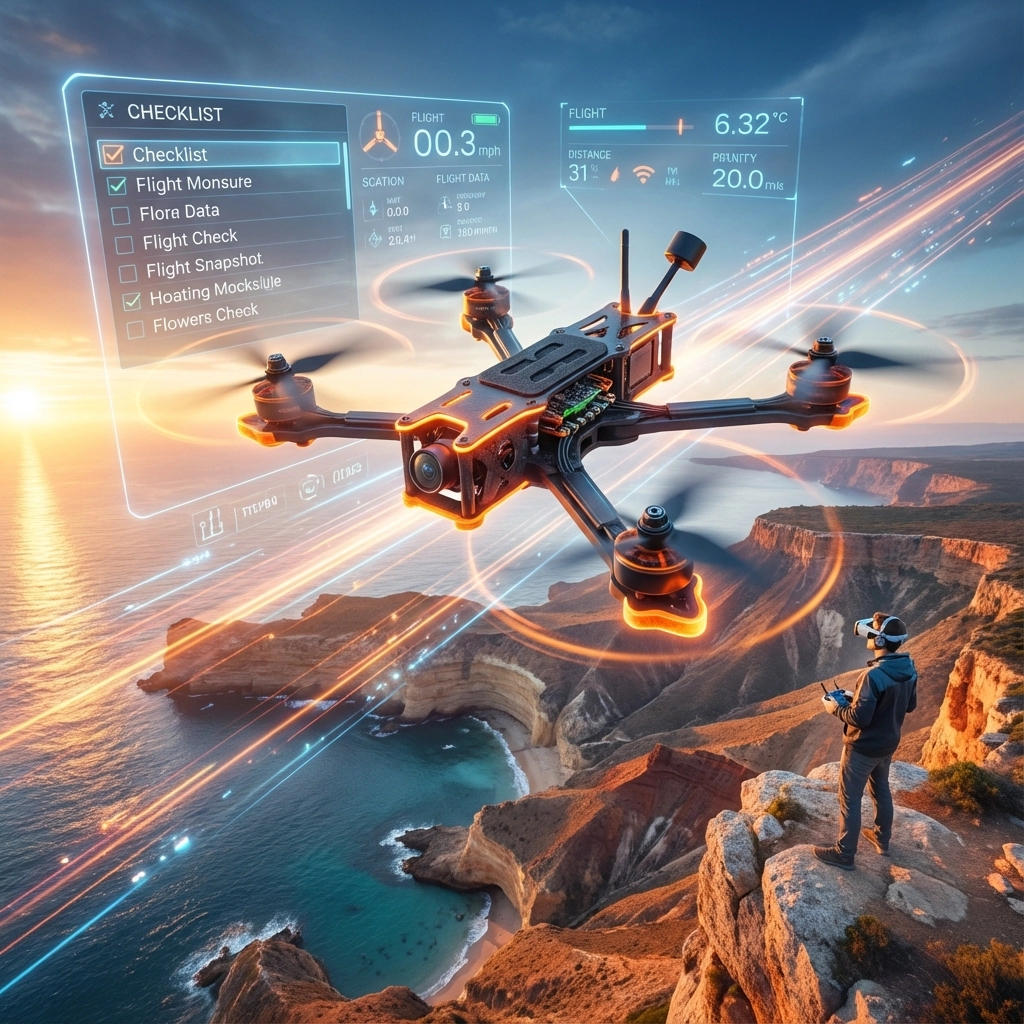
The moment you've been waiting for has arrived. Your FPV drone is built, your goggles are charged, and the Arizona sky beckons with endless possibilities. But before you launch into that first exhilarating flight, there's something more important than speed or acrobatics: safety.
Every legendary FPV pilot started exactly where you are now : eager, excited, and maybe a little nervous about that first takeoff. The difference between those who go on to create breathtaking aerial cinematography and those who end up with a box of broken parts? They master the fundamentals first.
This isn't just another boring safety lecture. This is your roadmap to confident, responsible FPV flying that protects your investment, respects our shared airspace, and sets you up for years of incredible flights ahead.
The Foundation: Essential Pre-Flight Equipment Check
Before you even think about heading to your flying location, your fpv drone setup begins at home with a methodical equipment inspection. This isn't paranoia : it's professionalism.
Power Systems First
Your battery is the heart of your FPV system. Check that all batteries are fully charged and balanced. Inspect LiPo connectors for any signs of damage, corrosion, or loose connections. A failing battery connection mid-flight isn't just inconvenient : it's dangerous.
Frame and Hardware Inspection
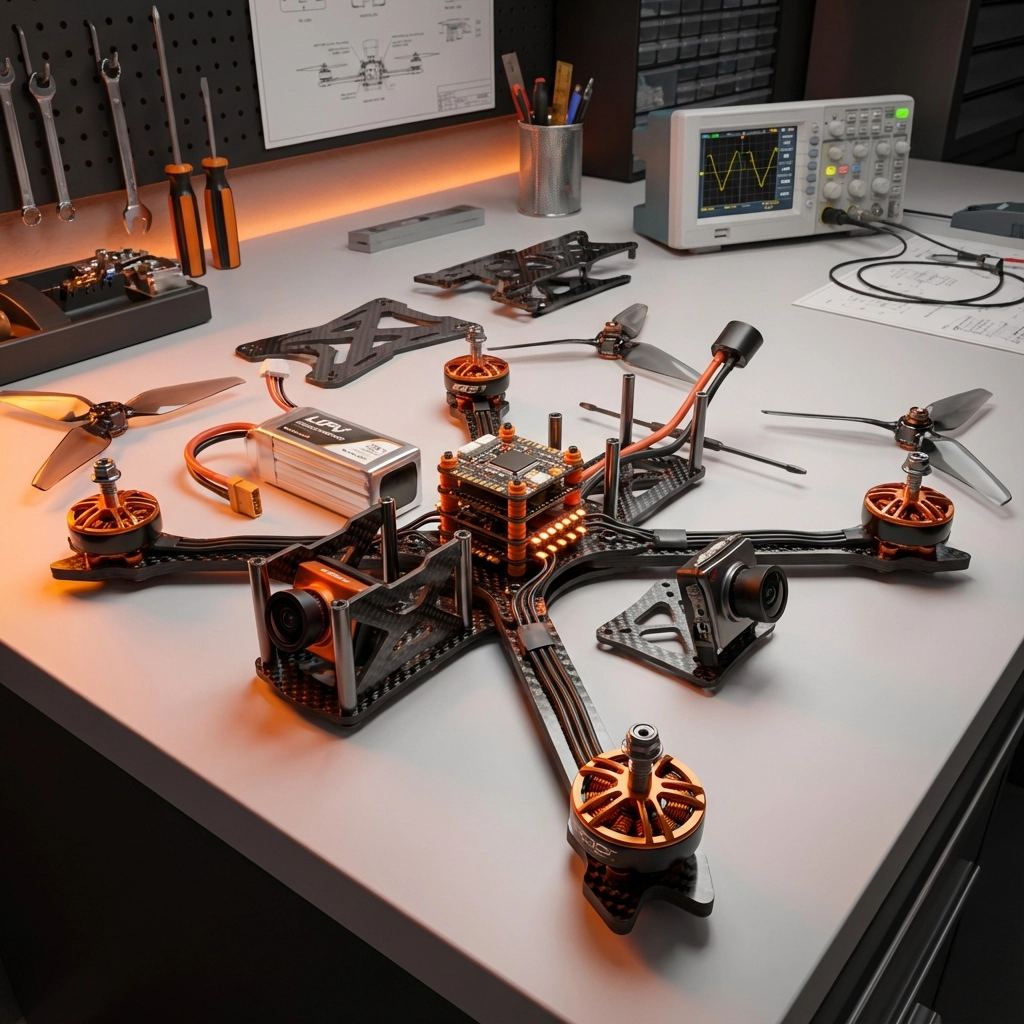
Remove your propellers and give your drone a thorough visual inspection. Check every screw, every motor mount, and every wire connection. Look for stress fractures in the frame, particularly around motor mounts and camera gimbal attachment points. Arizona's temperature swings can cause materials to expand and contract, potentially loosening hardware over time.
Motor and Propeller Verification
Spin each motor by hand to ensure smooth rotation. They should turn freely without grinding or catching. When you mount your propellers, double-check that each one is the correct type for its position and securely fastened. A loose propeller at altitude can cause catastrophic failure.
FPV System Check
Power up your goggles and verify you're receiving a clear image on the correct channel. Check your video transmitter antenna : flying without a properly connected VTX antenna can damage your video system permanently. Ensure your DVR is functioning and has adequate storage space.
Understanding Arizona's Airspace: Know Before You Fly
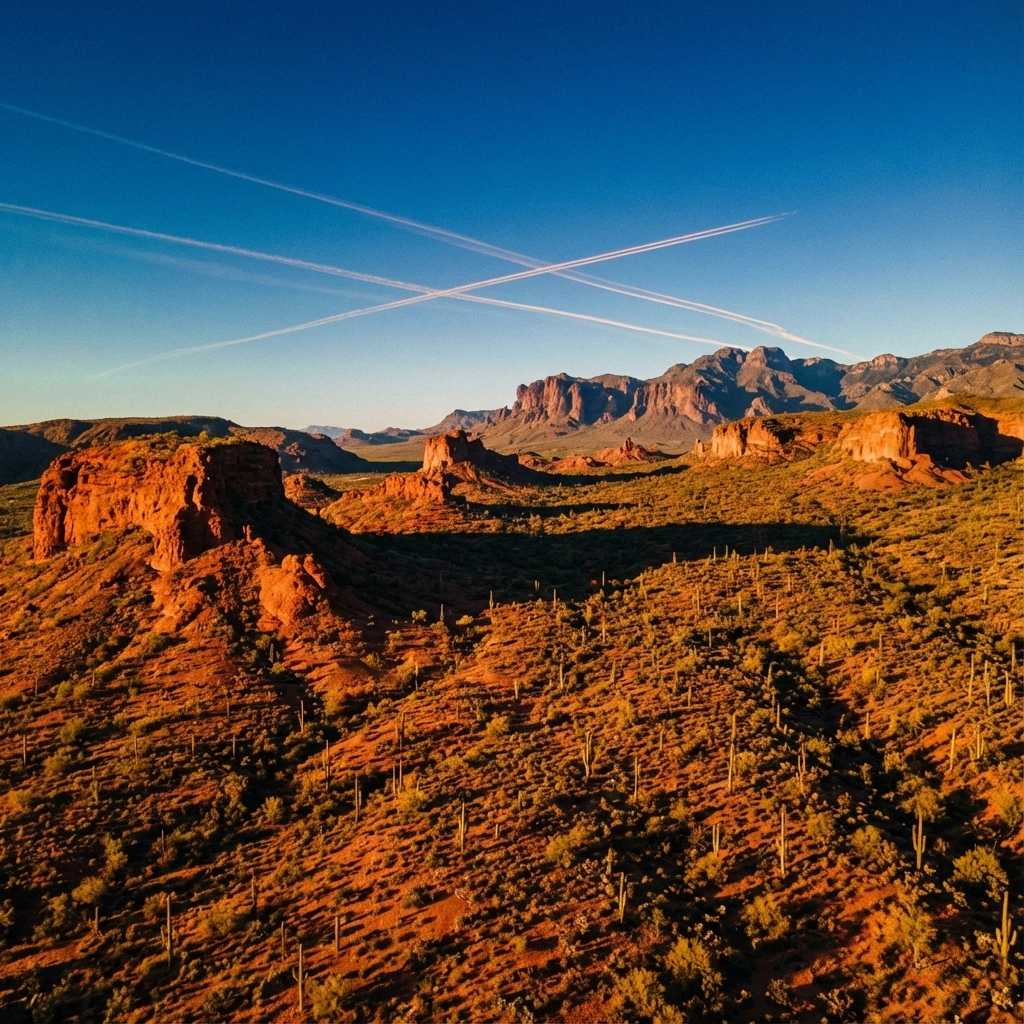
Arizona's diverse landscape offers incredible FPV opportunities, from the Sonoran Desert to mountain ranges, but with that freedom comes responsibility. FPV drone services like ours see too many pilots who skip this crucial step.
Federal Regulations
The FAA requires all drone pilots to pass the TRUST exam for recreational flying or obtain a Part 107 certificate for commercial operations. But regulations go deeper than just certification. You're limited to 400 feet above ground level in most areas, and you must yield right of way to all manned aircraft.
Arizona-Specific Considerations
Arizona's proximity to Mexico creates additional complexities along the border regions. Military operations areas (MOAs) are scattered throughout the state, particularly around Luke Air Force Base and Davis-Monthan Air Force Base near Tucson. Use the B4UFLY app religiously : it's not optional.
Phoenix's Class B airspace extends in a complex pattern that can catch inexperienced pilots off guard. What looks like open desert might actually be controlled airspace requiring special authorization.
Local Courtesy
Arizona's vast open spaces make it tempting to fly anywhere, but respect private property, wildlife areas, and indigenous lands. Many of Arizona's most scenic locations fall under special protection that prohibits drone operations entirely.
Line-of-Sight vs. FPV Flying: Understanding the Balance
This is where many new FPV pilots get confused. The FAA requires that you maintain visual line of sight with your aircraft at all times, even when flying FPV. This means you need a visual observer or must be able to see your drone with your naked eyes while wearing goggles.
The Reality of FPV Flying
Pure FPV flight : where you're flying entirely through your goggles : is incredibly immersive but technically requires a visual observer for legal compliance. Many experienced pilots develop the skill to quickly lift their goggles and visually acquire their aircraft, but this takes practice.
Starting Safe
For your first flights, stay close and low. Practice in a large, open area where you can easily see your drone even while focusing on your goggle feed. This builds confidence in both your piloting skills and your ability to transition between FPV and line-of-sight flying.
Building Situational Awareness
Develop the habit of regularly checking your position relative to obstacles, other aircraft, and boundaries. Your FPV camera has a limited field of view : what you can't see through your goggles could be a serious hazard.
Beginner-Friendly Flight Modes: Your Training Wheels
Modern flight controllers offer multiple modes designed to ease new pilots into FPV flying. Understanding these modes is crucial for your fpv drone beginner guide journey.
Angle Mode (Horizon Mode)
This self-leveling mode is your best friend for early flights. The drone automatically returns to level when you release the sticks, preventing disorientation and uncontrolled flight. It limits your maximum tilt angle, making it nearly impossible to flip upside down accidentally.
Acro Mode (Manual Mode)
This is pure, unlimited control : and where you'll eventually want to be for advanced FPV flying. But resist the temptation to jump straight into acro mode. Without the training wheels of self-leveling, a new pilot can quickly lose orientation and crash.
GPS Modes
If your drone has GPS capabilities, modes like position hold and return-to-home can be valuable safety nets. However, don't become dependent on these features : they can fail, and true FPV flying skills require manual control proficiency.

Progressive Training Approach
Start with short flights in angle mode, focusing on smooth, controlled movements. Practice basic maneuvers: forward/backward, side to side, gentle turns. Build muscle memory before progressing to more aggressive flying or advanced modes.
When Things Go Wrong: Crash Recovery and Damage Assessment
Despite your best preparation, crashes happen. How you handle them separates experienced pilots from frustrated quitters.
Immediate Post-Crash Protocol
First, disarm your motors immediately. A crashed drone with spinning propellers can cause serious injury or additional damage. Approach cautiously and disconnect the battery before handling.
Damage Assessment
Check for obvious damage first: broken propellers, cracked frame components, or damaged camera gimbal. But don't miss the subtle signs : a motor that spins but feels rough, loose wiring connections, or a slightly bent motor shaft can cause problems on your next flight.
Arizona-Specific Recovery Challenges
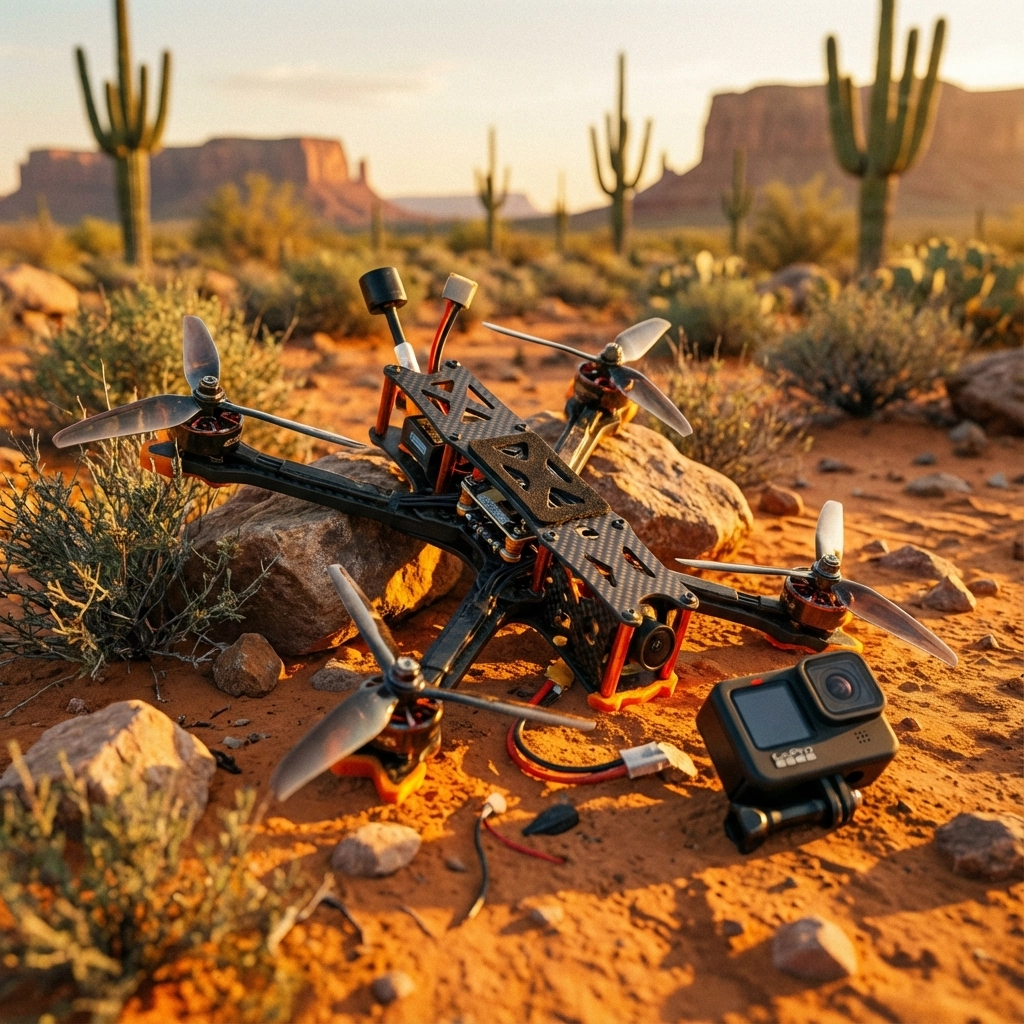
Arizona's terrain presents unique recovery challenges. Desert crashes can bury small components in sand. Rocky terrain can cause impact damage that's not immediately obvious. Carry a small flashlight and basic tools : you might be searching for scattered parts in low light.
Learning from Failures
Every crash is a learning opportunity. Review your DVR footage if available. What led to the crash? Could better pre-flight preparation have prevented it? Was it pilot error, equipment failure, or environmental factors?
When to Seek Professional Help
Sometimes damage is beyond field repair. Complex flight controller issues, motor problems, or camera gimbal repairs require specialized knowledge. TechInMotion360's FPV drone support packages can help diagnose problems and get you back in the air safely.
Building Your Safety Mindset
Safety isn't just about following rules : it's about developing a mindset that prioritizes responsible flying over flashy maneuvers. Every flight should begin with the same question: "What could go wrong, and how am I prepared for it?"
Pre-Flight Ritual
Develop a consistent pre-flight routine and stick to it, even when you're excited about perfect flying conditions. Experienced pilots know that shortcuts in preparation lead to problems in the air.
Weather Awareness
Arizona's weather can change rapidly. Monitor wind conditions, temperature, and approaching storms. High density altitude affects performance, particularly during hot summer days. Know your equipment's limitations and respect them.
Community Responsibility
Remember that every FPV flight reflects on our community. Fly responsibly, respect regulations, and help other pilots develop good habits. The future of FPV flying depends on maintaining public trust through consistently safe operations.
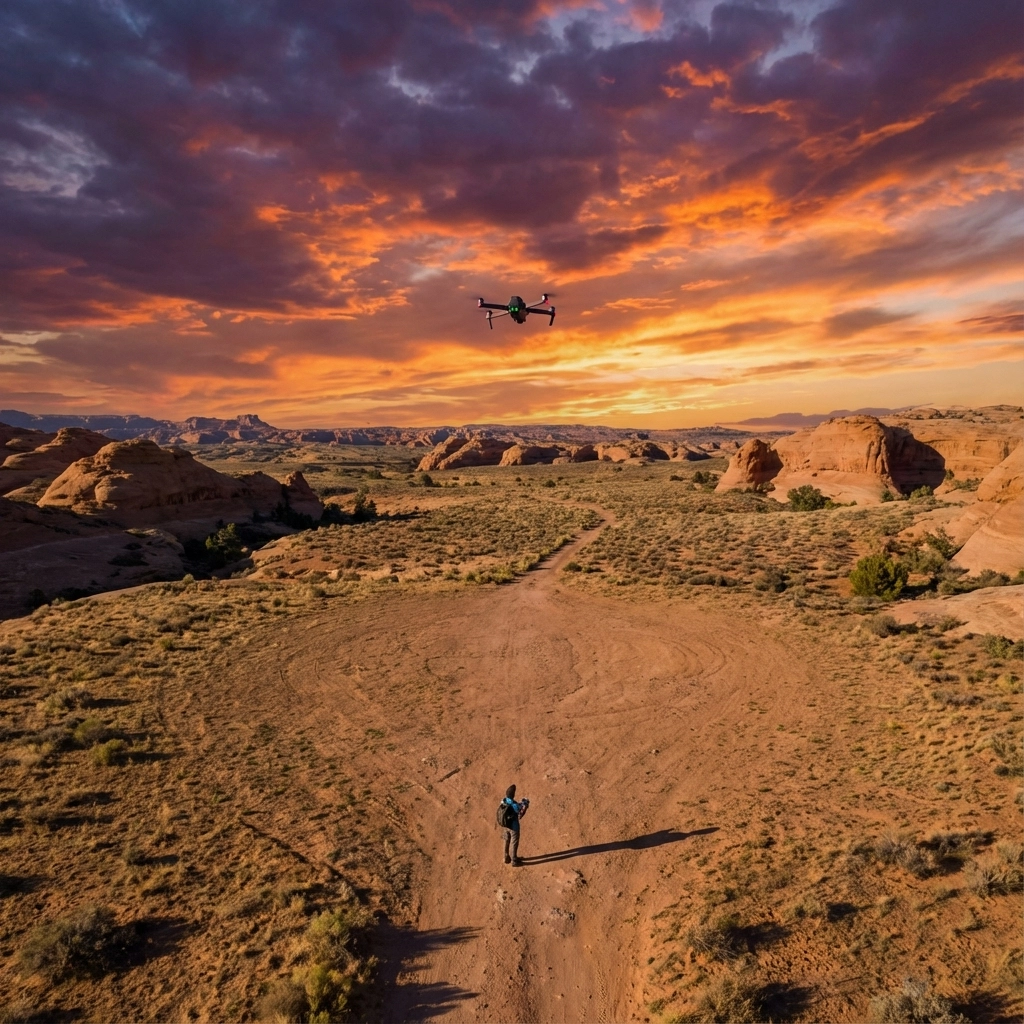
Your first FPV flight represents more than just getting airborne : it's the beginning of a journey that could take you to incredible places and experiences. But that journey starts with a foundation of safety, preparation, and respect for the responsibility that comes with operating these amazing machines.
Take your time, follow the checklist, and remember that every expert was once a beginner who chose to prioritize safety over shortcuts. The Arizona sky is waiting, and when you're properly prepared, that first FPV flight will be everything you've dreamed of and more.
The view from above is incredible, but the confidence that comes from knowing you're flying safely and legally? That's priceless.
Leave a comment