
The drone industry is soaring, but with great power comes great responsibility: and a whole lot of regulations. If you’re flying commercially in 2026, staying compliant with FAA Part 107 isn’t just about avoiding fines; it’s about building a sustainable, professional drone operation that clients can trust.
Whether you’re capturing stunning real estate footage, conducting infrastructure inspections, or expanding your drone services portfolio, understanding the latest regulatory landscape is crucial for every commercial pilot. Let’s dive into what you need to know to keep your operations legal, safe, and profitable.
Who Actually Needs a Part 107 Certificate?
Here’s the reality: if you’re making any money from drone flights: even indirectly: you need Part 107 certification. This includes YouTube monetization, social media campaigns, real estate photography, construction site inspections, and agricultural surveys. Even flying a sub-250g drone for commercial purposes requires certification.
The requirements are straightforward:
- Be at least 16 years old
- Pass the Part 107 knowledge test
- Complete a Transportation Security Administration (TSA) background check
- Demonstrate safe operation capabilities
Important note: This article provides general information only. Always consult the official FAA website and qualified legal professionals for specific regulatory guidance related to your operations.

Core Operational Restrictions You Can’t Ignore
Part 107 establishes clear operational boundaries that every commercial pilot must respect:
Altitude and Speed Limits
- Maximum altitude: 400 feet above ground level (AGL)
- Maximum speed: 100 mph (87 knots)
- Exception: You can fly higher than 400 feet when operating within a 400-foot radius of a structure, but you cannot exceed 400 feet above that structure’s highest point
Visual Line of Sight (VLOS) Requirements
This is non-negotiable: you must maintain direct visual contact with your drone at all times. FPV goggles don’t count as VLOS: they’re considered a tool to enhance operations, not replace visual contact. If you’re using FPV equipment for cinematic work, ensure you have a visual observer maintaining VLOS while you operate through the goggles.
Night Operations and Lighting
Night flights are permitted under Part 107, but only with proper anti-collision lighting visible for at least 3 statute miles. Pilots must also complete additional training or pass a recurrent knowledge test to maintain night flight privileges.
What’s New in 2026: Part 108 and BVLOS Operations
The regulatory landscape has evolved significantly with the introduction of Part 108, which governs Beyond Visual Line of Sight (BVLOS) operations. This represents a massive opportunity for commercial operators looking to expand their capabilities.
Part 108 Key Changes
- Weight limit increase: Drones up to 110 pounds (compared to Part 107’s 55-pound limit)
- BVLOS authorization: Two pathways: permits (24-month validity) for pilot projects, or certificates (no expiration) for established operations
- Enhanced operational flexibility: Ideal for large-scale inspections, mapping, and agricultural applications
However, Part 108 operations still require:
- Specific area authorization
- Operations typically below 400 feet AGL unless otherwise approved
- Advanced safety management systems
- Comprehensive risk assessments
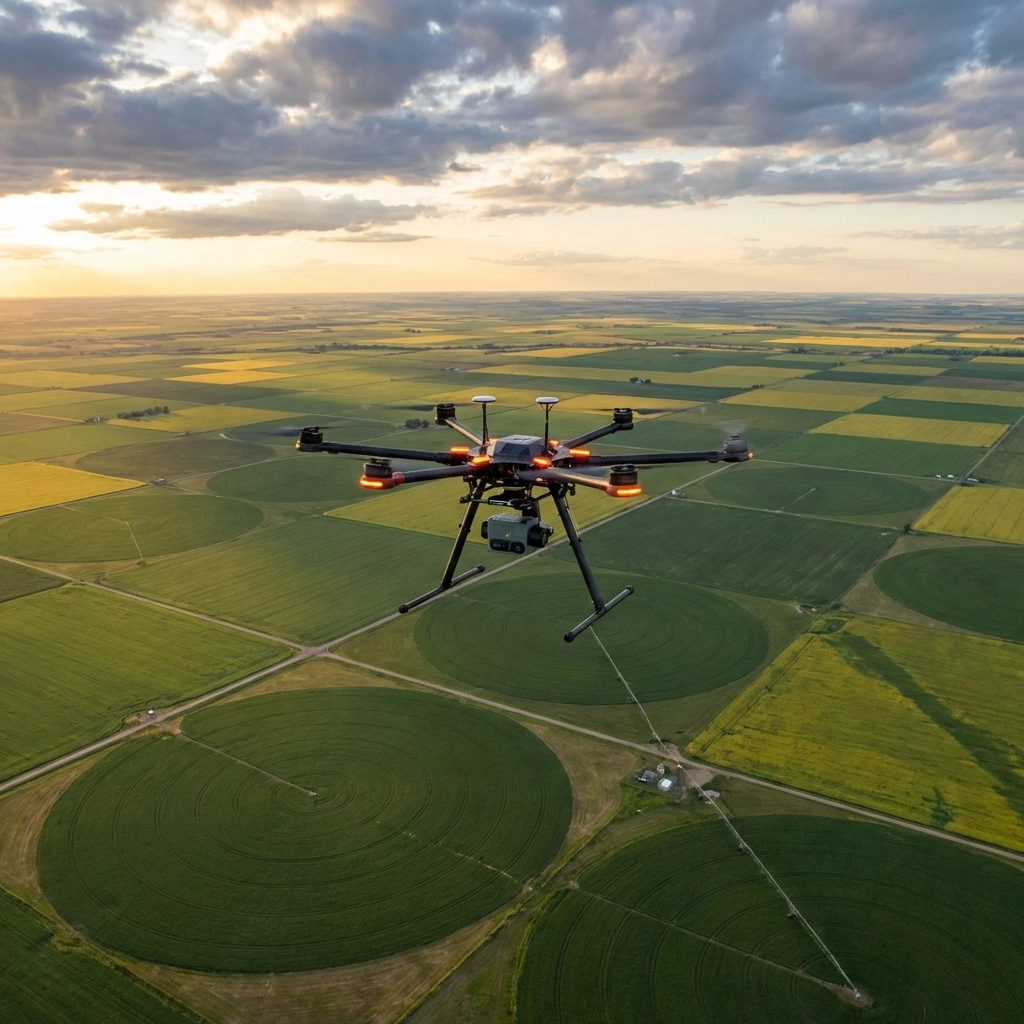
Pre-Flight Compliance: Your Essential Checklist
Before every commercial flight, run through this compliance checklist to ensure you’re operating legally:
Airspace Authorization
- Check airspace classification: Use tools like LAANC (Low Altitude Authorization and Notification Capability) for controlled airspace
- Obtain necessary approvals: Some areas require advance authorization from ATC
- Verify Temporary Flight Restrictions (TFRs): These can appear suddenly due to emergencies, VIP movements, or special events
Aircraft and Equipment Status
- Registration verification: Ensure your drone is properly registered with the FAA
- Remote ID compliance: Verify broadcast functionality is enabled
- Battery and hardware check: Inspect propellers, motors, sensors, and camera systems
- Insurance status: While not legally required, commercial liability insurance is highly recommended
Environmental and Operational Planning
- Weather assessment: Avoid operations in high winds, precipitation, or low visibility
- People and property: Maintain safe distances from uninvolved persons and buildings
- Flight path planning: Establish clear operational boundaries and emergency procedures
Registration and Remote ID: The Non-Negotiables
Aircraft Registration
Every commercial drone must be individually registered with the FAA at $5 per aircraft (valid for three years). This applies even to lightweight drones under 250 grams when used commercially.
Remote ID Compliance
Remote ID is now fully enforced nationwide and serves as the “digital license plate” for drones. Your aircraft must:
- Broadcast identification and location information
- Transmit operator location data
- Provide real-time status updates to authorities
Non-compliance can result in significant penalties, so ensure your equipment meets Remote ID standards before every flight.
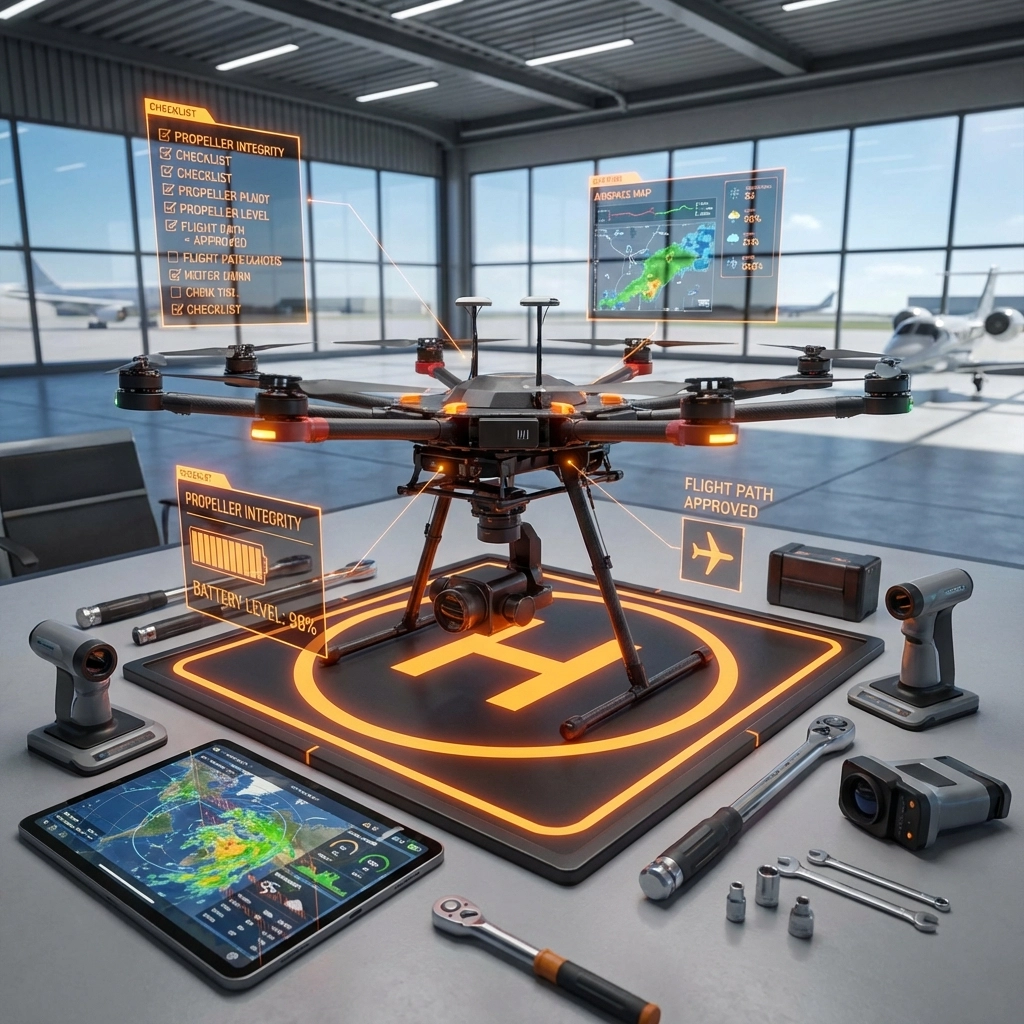
Airspace Navigation and Flight Planning
Understanding airspace is crucial for legal operations. The United States airspace system includes:
Controlled Airspace (Classes B, C, D)
- Requires authorization: Use LAANC for most routine operations
- Processing times: Can range from immediate approval to several days
- Altitude restrictions: May be more restrictive than the standard 400-foot ceiling
Uncontrolled Airspace (Class G)
- Generally more flexible: Still subject to Part 107 operational rules
- Due diligence required: Check for local restrictions and temporary flight restrictions
Special Use Airspace
- Military operations areas: May have specific restrictions or prohibited operations
- National parks and wilderness areas: Generally prohibited for commercial operations
- Stadium and venue restrictions: Temporary flight restrictions around major events
Building Compliance Into Your Business Operations
Successful drone service providers build compliance into every aspect of their operations. This includes:
Documentation and Record Keeping
- Maintain flight logs with dates, times, locations, and operational details
- Keep current copies of all certifications and authorizations
- Document pre-flight inspections and equipment maintenance
Client Education and Communication
Help your clients understand regulatory requirements that might affect their projects. This builds trust and demonstrates professionalism while protecting both parties from potential violations.
Staying Current with Regulatory Changes
The drone regulatory environment continues evolving rapidly. Subscribe to FAA updates, join professional organizations, and consider working with drone service providers who maintain current expertise in regulatory compliance.
Insurance and Risk Management Considerations
While not legally mandated, commercial drone insurance is essential for protecting your business. Consider coverage that includes:
- General liability protection
- Equipment coverage for drone hardware
- Professional liability for service-related issues
- Data breach protection for sensitive client information
The Future of Drone Regulations
Looking ahead, expect continued evolution in drone regulations, particularly around:
- Automated operations: Increased autonomy and reduced pilot intervention
- Urban air mobility: Integration with traditional aircraft operations
- Advanced airspace management: Dynamic routing and real-time conflict resolution
- International harmonization: Standardized approaches across different countries
Final Thoughts on Compliance
Regulatory compliance isn’t just about avoiding penalties: it’s about building a professional, trustworthy drone operation that clients can rely on. By staying current with Part 107 requirements, understanding new developments like Part 108, and maintaining rigorous operational standards, you’re positioning your business for long-term success in an increasingly competitive market.
Remember that regulations can change, and interpretations may vary based on specific circumstances. This article provides general guidance only and should not be considered legal advice. Always consult the official FAA website, current regulations, and qualified aviation attorneys for specific questions about your operations.
Disclaimer: This information is current as of January 2026 but regulations may change. Always verify current requirements with official FAA sources and consult with qualified legal professionals for specific regulatory compliance questions related to your drone operations.
Whether you’re just getting started or looking to expand your commercial drone operations, staying compliant with current regulations is your foundation for success. The drone industry offers incredible opportunities, but only for operators who respect the rules that keep our skies safe for everyone.
Leave a comment