Starting your FPV drone journey feels like stepping into the future: and honestly, it is. But here's the reality: your first flight is just the beginning. The difference between a frustrating crash-and-quit experience and becoming the pilot you dreamed of isn't just practice. It's having the right drone accessories in your toolkit from day one.
After helping hundreds of beginners take flight, I've seen the same pattern: pilots who invest in essential fpv drone parts and accessories early on progress faster, crash less, and actually enjoy the learning process. Those who skip this step? They usually end up buying everything anyway: just at the worst possible moments.
Let's cut through the marketing hype and focus on what actually matters for your success.
The Foundation: Essential Building Tools
Think of FPV drone building like learning to play guitar. You wouldn't start without picks, strings, and a tuner, right? Same principle applies here.
Soldering Iron (Non-Negotiable)
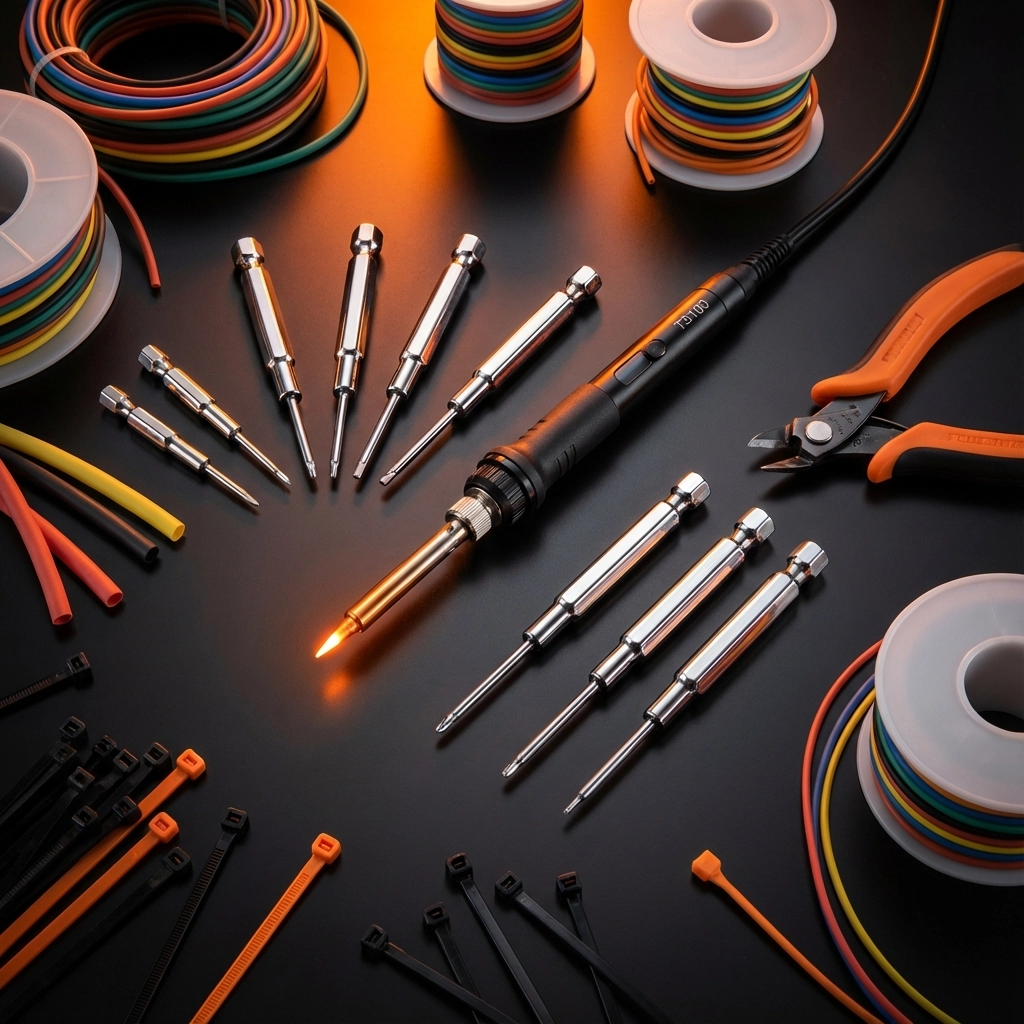
The TS100 or TS80P soldering irons are game-changers for beginners. Unlike cheap hardware store options, these heat up in seconds, maintain consistent temperature, and won't destroy your expensive electronics. You'll use this for everything from connecting flight controllers to repairing crashed components.
Hex Driver Set
Your drone is held together by tiny hex screws (1.5mm, 2mm, 2.5mm). Get a quality ball-end hex driver set: the ball ends let you access screws at angles, which you'll appreciate when working in tight spaces.
Wire Management Arsenal
- Wire cutters and strippers for clean connections
- Heat shrink tubing in various sizes (3mm, 4mm, 6mm)
- Zip ties for cable management
- Electrical tape for temporary fixes
Digital Multimeter
This isn't optional equipment: it's crash prevention. A basic multimeter helps you check battery voltage, test continuity, and diagnose electrical issues before they destroy components.
Power Systems: The Heart of Flight
High-Quality LiPo Batteries
Your battery choice directly impacts flight time, performance, and safety. Start with name-brand 4S 1300-1500mAh batteries from manufacturers like Tattu or CNHL. Cheap batteries aren't just poor performers: they're fire hazards.
Battery count rule: Buy at least 3-4 batteries. One in the drone, one charging, one cooling down, one backup. This rotation keeps you flying longer and extends battery life.
Smart Charger
The ISDT Q6 Nano or similar smart chargers are worth every penny. They'll balance your cells, prevent overcharging, and give you detailed battery health data. Your $50 charger protects hundreds of dollars in batteries and potentially your house.
Storage and Transport
LiPo-safe charging bags aren't paranoia: they're smart risk management. Store batteries at 3.8V per cell for long-term health, and always transport them in hard cases with proper padding.
Propellers: Your Drone's Lifeline
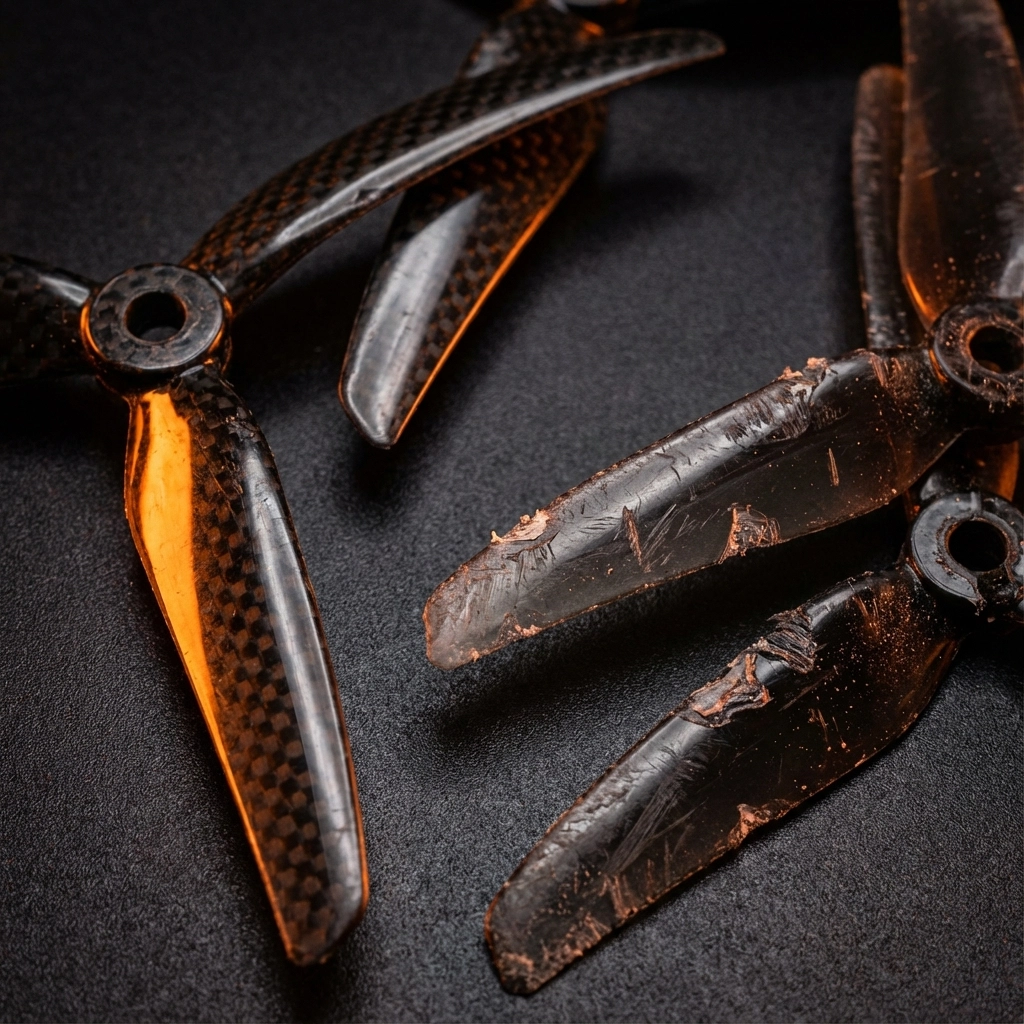
Here's what every beginner learns the hard way: propellers break constantly. Not sometimes. Every single session, especially while learning.
Stock Up Smart
Buy propellers in bulk: we're talking 20-30 sets minimum. HQ Props offer excellent durability and performance, but also grab some cheaper options for practice sessions. Mix of materials:
- Polycarbonate props for durability during learning
- Carbon fiber props for performance once you've mastered basics
Prop Balancing
Unbalanced props cause vibrations that ruin video footage. A simple prop balancer (or even a hex driver through the center hole) helps you identify heavy spots that need sanding down.
Vision Systems: Seeing Through Your Drone's Eyes
FPV Goggles
This is where beginners often overspend or severely underspend. The sweet spot? DJI FPV Goggles V2 or Fatshark Attitude V6 for digital systems, or Skyzone Cobra X or Eachine EV800D for analog.
Digital offers crystal-clear footage with low latency, but analog is more forgiving for beginners and cheaper to repair when (not if) you crash.
Camera Protection
A $20 TPU camera mount protects your $100+ FPV camera. Print them yourself or order custom designs: they're consumable items that absorb crash impact.
Storage and Organization Solutions
Dedicated FPV Bag or Case
The Lowepro DroneGuard or similar padded cases organize everything and make transport safe. Compartments for batteries, tools, spare parts, and your drone prevent the "digging through a pile of parts" frustration.
Small Parts Organization
Tackle boxes or modular storage systems keep screws, standoffs, and small components organized. Nothing kills momentum like spending 20 minutes looking for a specific screw size.
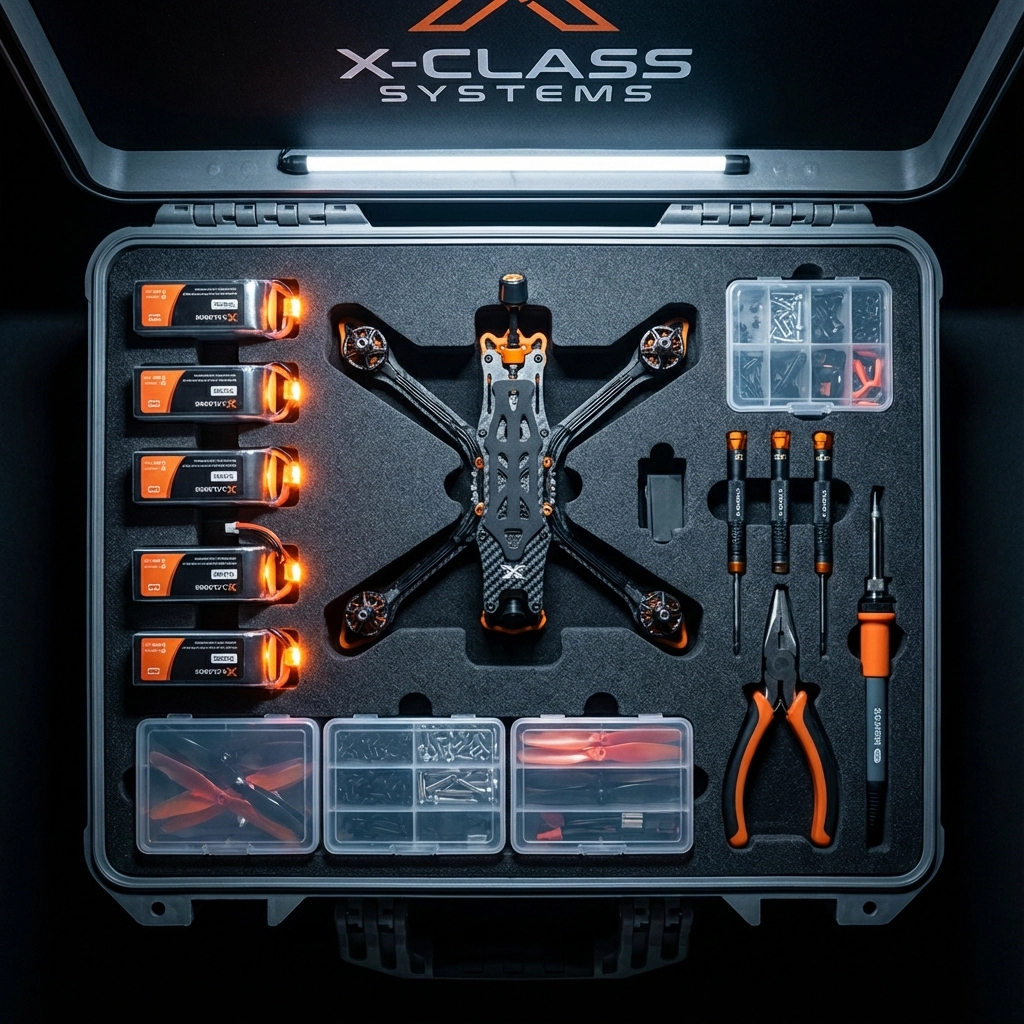
Safety and Recovery Gear
Smoke Stopper
This $15 device can save hundreds in electronics. It limits current flow during first power-ups, preventing magic smoke release when something's wired wrong.
Buzzer and LED Strip
Crashed drones hide in the most impossible places. A loud buzzer activated by your transmitter's lost model alarm is a lifesaver. LED strips help with orientation and make retrieval easier.
Landing Pad
Protects your gimbal and camera from debris during takeoff and landing. Also provides a consistent reference point for practicing precise landings.
Advanced Accessories Worth Considering
Video Transmitter (VTX) Antenna Upgrade
Stock antennas are mediocre at best. Circular polarized antennas like TrueRC X-Air series dramatically improve range and signal quality. Just remember: never power on your VTX without an antenna attached: you'll destroy it instantly.
Transmitter Upgrades
Quality gimbals like Hall Effect sensors eliminate stick drift and improve precision. RadioMaster Boxer or FrSky Taranis series offer excellent upgrade paths as your skills develop.
What to Skip (For Now)
GPS Modules: Learn manual flying first
Expensive Action Cameras: Master FPV cameras before adding GoPros
Carbon Fiber Everything: Durability beats weight savings while learning
Racing-Specific Gear: Focus on smooth flying before speed
Building Your Starter Kit: Budget Breakdown
Essential Tier ($150-200):
- Basic tool kit with soldering iron
- 20 sets of propellers
- 3-4 quality batteries
- Smart charger
- Storage bag
Intermediate Tier ($300-400):
- Everything above plus quality FPV goggles
- Upgraded antennas
- Professional storage case
- Safety equipment
Advanced Tier ($500+):
- Premium goggles and transmitter
- Carbon fiber accessories
- Professional tool upgrades
Your Next Steps
The FPV community thrives on shared knowledge and mutual support. Every expert was once a beginner who made these same accessory decisions. The difference? They learned from others' experience instead of repeating expensive mistakes.
Ready to build your complete setup? Check out our curated drone components collection where we've assembled everything mentioned in this guide. No guesswork, no compatibility issues: just the gear that works.
Remember: the goal isn't to buy everything at once. Start with essentials, fly regularly, and expand your toolkit as your skills and interests develop. Every accessory should solve a real problem you're experiencing, not just look cool on the shelf.
Your journey into cinematic FPV flight starts with proper preparation. These accessories aren't just purchases; they're investments in countless hours of incredible flights ahead.
The sky isn't the limit anymore. It's your new playground.
Leave a comment